

The race to become the 12th Chief Executive Officer and President of PTT Public Company Limited is drawing increasing attention from the energy industry and capital markets, as the state-controlled energy conglomerate prepares for a major leadership transition in 2027.
PTT has officially opened its recruitment process to select a successor to Dr. Kongkrapan Intarajang, whose current term is scheduled to conclude in April 2027. Applications will be accepted from October 27 to November 18, 2026.
The selection criteria emphasize extensive experience in managing large-scale organizations, together with strong expertise in the energy, petroleum and petrochemical industries, as well as related businesses. The successful candidate will be expected to lead one of Thailand’s largest corporate groups through an increasingly complex global energy landscape.
The appointment represents more than a routine executive succession. The next CEO will play a pivotal role in determining the strategic direction of the PTT Group at a time when the global energy industry is undergoing profound structural changes. Volatile oil and natural gas prices, geopolitical uncertainties, the accelerating transition toward clean energy, intensifying market competition and the need for technological investment are placing growing pressure on major energy companies to reassess their business strategies.
Five executives from within the PTT Group had previously been identified as potential contenders. However, recent developments suggest that one of them, Pongphan Amornvivat, may not submit an application, leaving four senior executives under close scrutiny.
The four executives attracting attention are Suchat Ramas, Chief Executive Officer of PTT Oil and Retail Business Public Company Limited (OR); Bundit Thammaprajitt, Chief Operating Officer of PTT’s Petroleum and Natural Gas Business Group; Jaturong Worawitsurawatana, Executive Vice President of PTT’s International Trading Business Unit; and Dr. Chayan Chantavasu, Executive Vice President of Corporate Strategy at PTT.
It is important to emphasize that these four executives constitute an unofficial group of potential contenders identified through industry observation. They do not represent an officially confirmed shortlist issued by PTT. The recruitment process also remains open to external applicants, meaning candidates from outside the PTT Group could still enter the competition.
An examination of the four executives' professional backgrounds and areas of expertise reveals different leadership strengths and strategic perspectives. Their experience reflects the diverse capabilities required to manage PTT's extensive and integrated energy operations, which span upstream exploration and production, midstream natural gas and infrastructure businesses, and downstream refining, petrochemicals and retail operations.
Ultimately, the selection of PTT's next CEO will be a consequential decision not only for the company but also for Thailand's broader energy security and economic competitiveness. The next leader must balance the profitability of conventional energy businesses with the demands of the energy transition, while positioning the PTT Group to remain competitive in an increasingly technology-driven and geopolitically uncertain global market.
Suchat Ramas: Expanding Retail Operations and Unlocking New Sources of Business Value
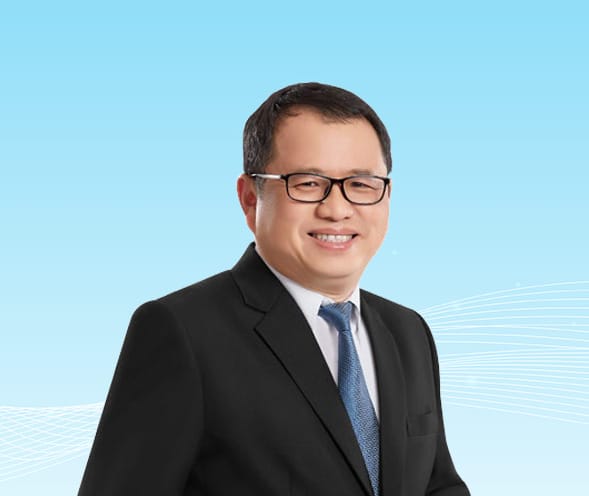
Suchat Ramas, President and Chief Executive Officer of PTT Oil and Retail Business Public Company Limited (OR), brings extensive experience in fuel retailing and consumer-oriented businesses. OR’s core operations span its PTT Station network, fuel distribution, retail and lifestyle businesses, as well as international market expansion.
The energy retail sector is undergoing significant structural changes, driven by evolving consumer behavior, the rapid growth of electric vehicles (EVs), and intensifying competition in non-oil businesses. These developments are compelling operators to move beyond traditional fuel-based revenue models and establish new sources of growth through business diversification, customer engagement and integrated service ecosystems.
Suchat’s leadership experience at OR provides valuable insight into developing new business ventures, expanding commercial partnerships and building consumer-oriented ecosystems. His experience in managing a nationwide retail network and diversifying revenue streams could offer a different strategic perspective for the broader PTT Group.
However, should he be appointed PTT’s next CEO, his principal challenge would be demonstrating the ability to oversee a substantially more complex and capital-intensive business portfolio. This would require strategic command of the group's integrated energy operations, including natural gas, oil refining and petrochemicals, while balancing large-scale investments, energy security and long-term business competitiveness.
Bandhit Thamprajamchit: Safeguarding Energy Security and Strengthening Thailand’s Natural Gas Supply
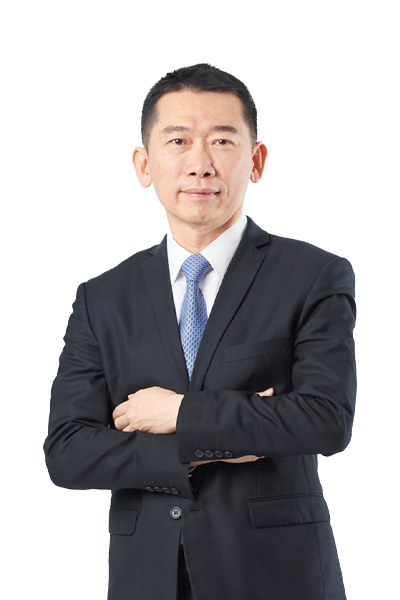
Bandhit Thamprajamchit, Chief Operating Officer of PTT’s Petroleum Exploration and Production and Natural Gas Business Group, is an executive whose professional experience is closely aligned with one of the company’s most critical responsibilities: safeguarding Thailand’s energy security. His background in upstream operations and natural gas places him at the center of PTT’s core energy businesses, which underpin the country’s broader energy system.
One of PTT’s major challenges in the coming years will be ensuring a reliable and sufficient supply of natural gas to meet domestic demand. This will require effective management of multiple supply sources, including natural gas production from the Gulf of Thailand, imports from Myanmar and liquefied natural gas (LNG) purchases from international markets. At the same time, PTT must contain procurement costs and manage exposure to fluctuations in global energy prices.
Geopolitical uncertainty, intensifying competition for energy resources and changing global supply dynamics have made energy security an increasingly complex undertaking. Maintaining uninterrupted supplies while optimizing procurement costs and diversifying energy sources will therefore remain among PTT’s most important strategic priorities.
Bandhit’s experience in upstream exploration and production, as well as natural gas operations, could provide a strong foundation for addressing these challenges. His expertise is particularly relevant as Thailand seeks to balance domestic production, cross-border pipeline supplies and LNG imports to ensure long-term energy reliability.
However, leading the entire PTT Group would require a broader range of management capabilities beyond energy supply and natural gas operations. The position demands strategic expertise in capital allocation, subsidiary management and investment planning, as well as the ability to balance the company's national energy security responsibilities with commercial performance, shareholder returns and long-term competitiveness.
The central question, therefore, is whether Bandhit’s experience in PTT’s core energy businesses can translate into the broader corporate leadership required to steer the entire group through an increasingly challenging global energy transition.
Jaturong Worawitsurawatthana: Navigating Global Energy Markets and Managing International Trading Risks
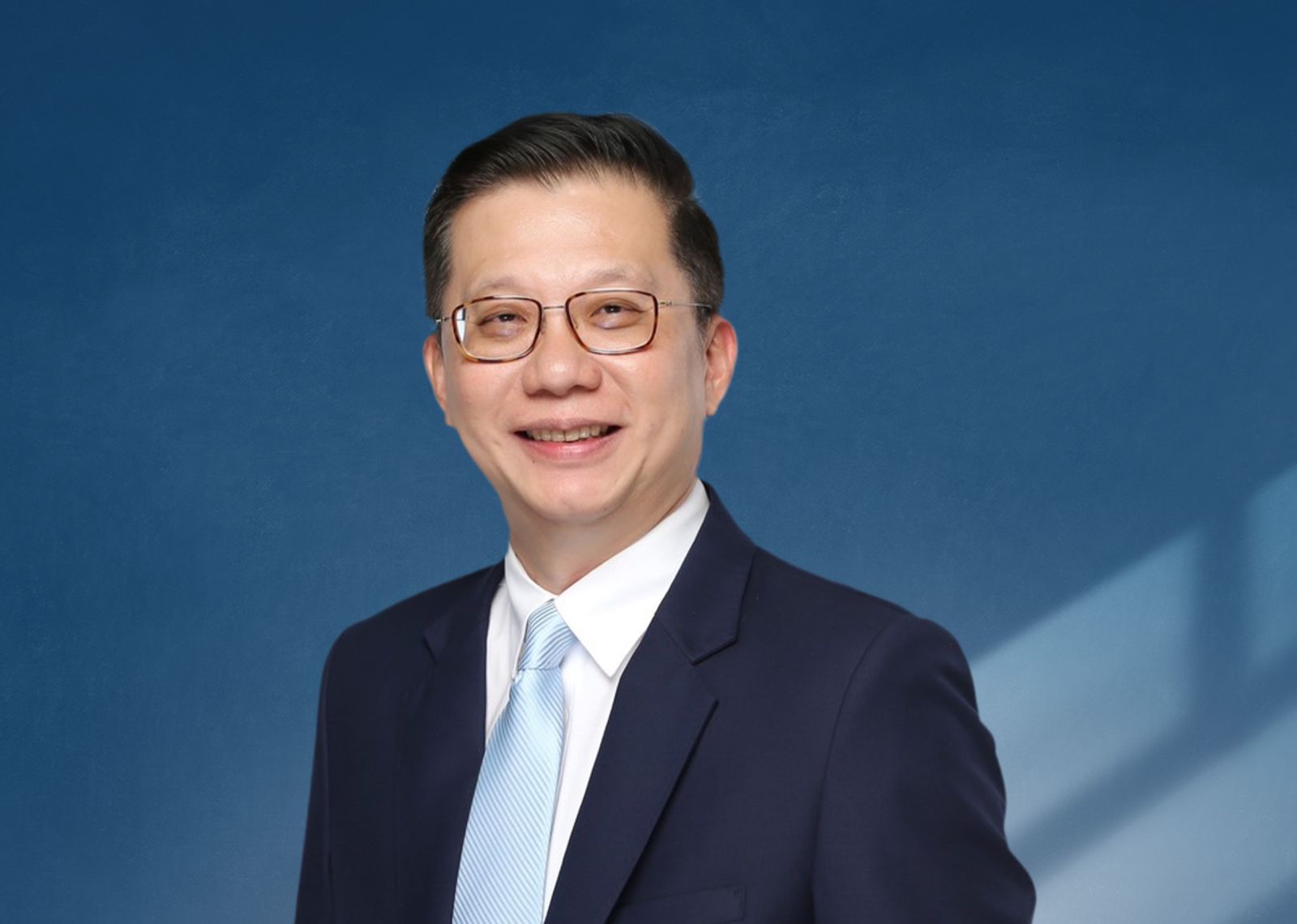
Chaturong Vorawitsurawattana, Executive Vice President of PTT’s International Trading Business Unit, is another executive attracting attention in the race for the company’s top leadership position. His extensive experience in international energy trading is particularly relevant at a time when global energy markets are facing heightened volatility, geopolitical uncertainty and increasingly complex supply-chain dynamics.
International energy trading is a strategically important component of PTT’s operations, involving the procurement and distribution of crude oil, petroleum products and natural gas across global markets. Effective management of these activities requires in-depth knowledge of commodity pricing, international sales contracts, financial risk management and geopolitical developments, as well as the ability to navigate rapidly changing energy supply chains.
For Thailand, which remains heavily dependent on imported crude oil and liquefied natural gas (LNG), the effectiveness of international energy procurement has direct implications for national energy costs, supply reliability and energy security. Global price fluctuations, disruptions to major shipping routes and geopolitical tensions can all affect procurement strategies and the country's broader economic stability.
Jaturong’s experience in international trading could therefore provide valuable insight into managing PTT’s exposure to global market risks, optimizing procurement strategies and strengthening its position in the international energy marketplace.
However, the key challenge would be translating his specialized expertise in global energy trading into the broader leadership capabilities required to manage the entire PTT Group. Beyond overseeing international commercial operations, the CEO must determine long-term investment priorities, coordinate the group's diverse business units and balance the interests of its upstream, midstream and downstream operations.
The critical question is whether Jaturong can leverage his international market experience to lead a large, integrated energy conglomerate while ensuring that PTT remains competitive amid the global energy transition and the shifting dynamics of international energy markets.
Dr. Chaya Chandavasu: Reshaping PTT’s Business Portfolio and Positioning the Group for the Future
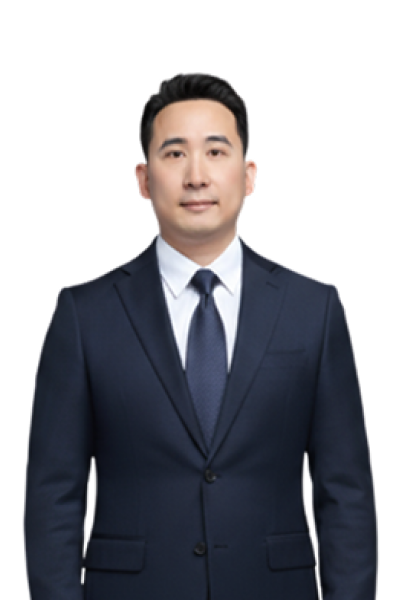
Dr. Chaya Chandavasu, Executive Vice President of Corporate Strategy at PTT Public Company Limited, is responsible for helping shape the company's long-term strategic direction and investment priorities. His role places him at the center of one of PTT's most important challenges: repositioning the energy conglomerate for a rapidly changing global energy landscape.
As the energy industry undergoes a structural transition, PTT must find ways to maintain its competitiveness in traditional oil, natural gas and petrochemical businesses while identifying new sources of growth. This includes expanding into clean energy, low-carbon technologies and emerging businesses with strong long-term growth potential.
Managing corporate strategy in this environment requires more than identifying market opportunities. It involves assessing global industry trends, allocating capital efficiently, evaluating investment risks and ensuring that strategic initiatives are translated into measurable business results. The ability to coordinate long-term investment decisions across multiple business units will be particularly important as PTT adjusts its business portfolio to changing market conditions.
For Dr. Chaya, the key challenge would be demonstrating that his strategic planning experience can translate into the broader executive capabilities required to manage a large, integrated energy conglomerate. This would involve overseeing complex operations, making high-stakes investment decisions and ensuring that the group's long-term strategies deliver tangible commercial outcomes.
Balancing Energy Security, Profitability and Long-Term Transformation
Although the four executives under observation bring different professional backgrounds and areas of expertise, the selection of PTT's next CEO will involve considerably more than evaluating their previous achievements. The successful candidate must demonstrate the ability to lead a conglomerate with an extensive operational portfolio spanning petroleum exploration and production, natural gas, refining, petrochemicals, international trading, retail and emerging energy businesses.
Another critical consideration is PTT's dual responsibility as a major state-controlled enterprise and a publicly listed company. On one hand, the group plays a strategic role in safeguarding Thailand's energy security and supporting the country's economic stability. On the other, it must deliver satisfactory returns to shareholders, maintain financial discipline and remain competitive in an increasingly challenging business environment.
These competing priorities will make the next CEO's investment decisions particularly consequential. PTT must determine how much capital to allocate to conventional energy operations, how quickly to expand into low-carbon businesses and how to manage financial constraints amid geopolitical uncertainty, technological disruption and changing global energy demand.
Ultimately, the recruitment process is about more than finding a successor to Dr. Kongkrapan Intarajang. It represents a strategic decision about the future direction of one of Thailand's most influential corporate groups.
The next CEO will be expected to strike a delicate balance between national energy security, commercial profitability and long-term industrial transformation. Whether the successful candidate comes from PTT's existing management ranks or from outside the organization, the appointment will help determine the group's competitive position and shape the trajectory of Thailand's energy sector for years to come.
The Better News English