
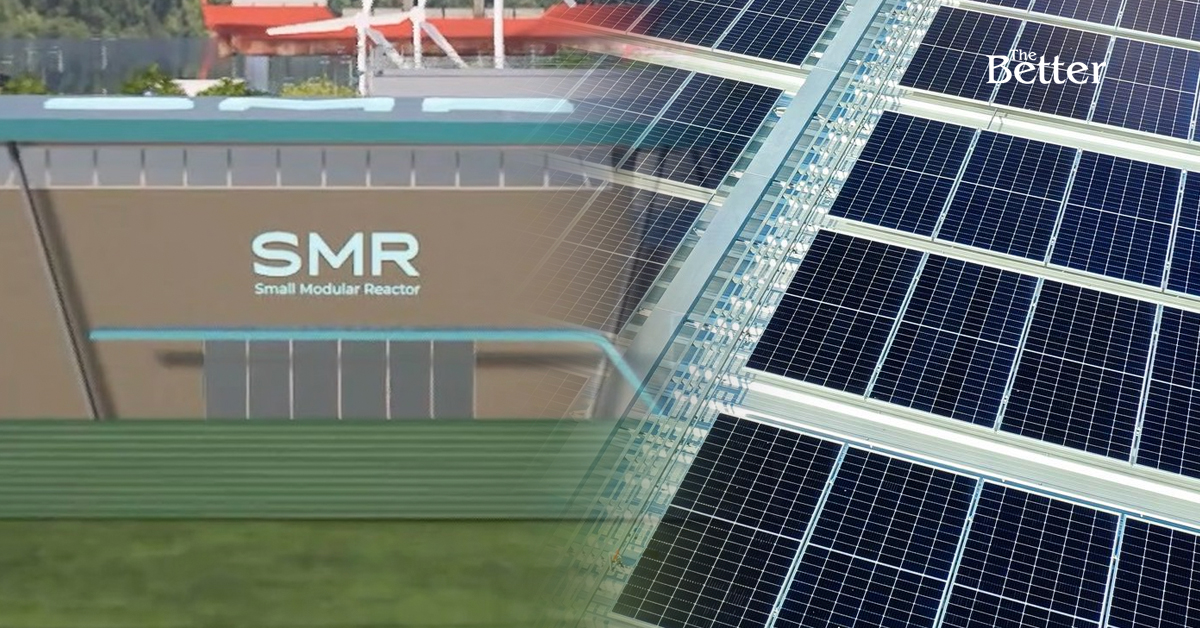
EPPO Unveils Draft PDP 2026, Paving Way for Nuclear Power and Greater Renewable Energy Use
The Energy Policy and Planning Office (EPPO) will hold a seminar and public consultation on the draft Power Development Plan of Thailand (PDP 2026) on Tuesday, September 8, 2026, giving stakeholders from all sectors an opportunity to comment on the country’s long-term electricity supply strategy.
The draft PDP 2026 covers a 25-year planning period and presents four scenarios reflecting different approaches to balancing natural gas, renewable energy, nuclear power, energy storage, and carbon capture and storage (CCS) technologies.
Under Scenario 1: Base Case, total new power generation capacity is set at 127,250 megawatts. The proposed capacity comprises 24,500 MW from natural gas, 28,890 MW from solar power, 10,360 MW from wind power, 9,000 MW from small modular reactors (SMRs), and 54,500 MW of battery energy storage systems (BESS), equivalent to 218,000 megawatt-hours of storage capacity.
Scenario 2: Net Zero–CCS maintains a similar overall power-generation structure to the Base Case, while incorporating carbon capture and storage technology to allow natural gas-fired generation to continue contributing to the electricity system while supporting Thailand’s net-zero greenhouse gas emissions target.
Scenario 3: Net Zero–RE places the strongest emphasis on renewable energy and does not rely on CCS. It sets total generating capacity at 194,800 MW, with renewable energy serving as the system’s “RE Anchor.” Renewable generation would total 114,000 MW, comprising 61,300 MW of solar power and 52,700 MW of wind power.
Under this scenario, natural gas capacity would be reduced to 16,800 MW, while SMRs would remain at 9,000 MW. BESS capacity would reach 55,000 MW, equivalent to 220,000 MWh, to provide flexibility and stability for a power system with a high share of intermittent renewable energy.
Scenario 4: Domestic Resources emphasizes the use of natural gas resources from Thailand and neighboring countries, particularly gas from the Gulf of Thailand and Myanmar, together with CCS technology. Total generating capacity under this scenario would reach 147,150 MW, comprising 18,900 MW of natural gas, 40,890 MW of solar power, 23,360 MW of wind power, 9,000 MW of SMRs, and 55,000 MW of BESS, equivalent to 220,000 MWh.
One of the most notable features of the draft PDP 2026 is that SMR capacity is maintained at 9,000 MW across all four scenarios, indicating that small modular nuclear reactors have been incorporated as a consistent component of Thailand’s future power-generation mix.
Meanwhile, BESS is also given a significant role in every scenario, with proposed capacity ranging from 54,500 MW to 55,000 MW. The high level of energy storage reflects the need to strengthen the resilience and flexibility of the electricity system as Thailand increases its reliance on renewable energy.
The main difference among the four scenarios is therefore the balance between renewable energy and natural gas supported by CCS. Scenario 3 prioritizes the maximum deployment of renewable energy, while Scenarios 2 and 4 retain a greater role for natural gas, with CCS serving as a tool to reduce emissions and support the country’s net-zero ambitions.
The public consultation on September 8 will allow stakeholders, businesses, experts, and members of the public to provide feedback before the PDP 2026 is finalized. The plan is expected to play a key role in determining Thailand’s electricity-generation mix and energy policy over the next 25 years.
The Btter News English