
Government Launches Four Working Groups to Drive Trade, Tourism and Community Economy Reforms
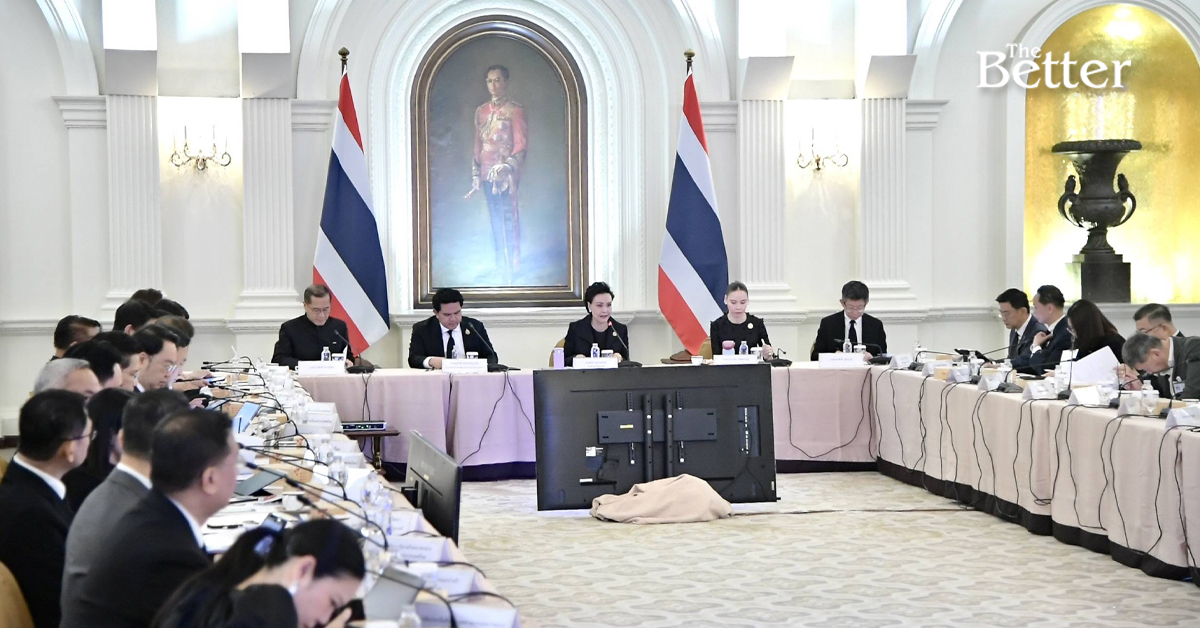
Deputy Prime Minister and Minister of Commerce Suphajee Suthumpun has announced the outcomes of the first meeting of the Sub-Committee on Trade, Tourism and Community Economy Development for 2026, saying the panel has begun implementing the government's second economic policy group, with a focus on trade and services.
Suphajee said the sub-committee had been assigned five key areas of responsibility: quality tourism and wellness, the creative economy, agriculture, retail and wholesale trade, and international trade.
However, she stressed that its work would not be confined to existing frameworks, as the country's economic challenges require both immediate measures and long-term structural reforms.
To ensure concrete progress rather than simply expanding the number of committee members, the meeting established four specialized working groups: Creative Economy and Visitor Economy; Agricultural Products and Food Security; Community Economy and SMEs; and International Trade.
Suphajee said the concept of the Visitor Economy goes beyond conventional tourism by encompassing all visitors to Thailand, including tourists, students, business travelers and investors. The goal is to increase the economic value generated by their presence by linking tourism with culture, experiences, services, secondary cities and the creative economy.
On the community and SME economy, she said the focus would expand beyond traditional retail and wholesale activities to establish these sectors as a key pillar of the national economy. SMEs and community businesses account for approximately 35% of the country's total income, making it essential to strengthen their competitiveness while ensuring fair competition and preventing smaller businesses from being left behind.
Weerasak Kowsurat, chairman of the Creative Economy and Visitor Economy Working Group, said the group would conduct weekly field visits to businesses and communities across various sectors to identify four to five urgent issues that could be addressed within the first six to 12 months.
The work will focus on both creating new opportunities and removing obstacles that prevent businesses from growing. Among the key concerns are unauthorized businesses and the use of nominee arrangements to gain unfair advantages over Thai businesses, as well as domestic regulations that hinder entrepreneurship.
Weerasak said unnecessary regulations should be reviewed and removed to enable Thai businesses to compete more effectively in the global market.
Kobsak Pootrakool said Thailand's agricultural sector must move beyond traditional production toward modern, high-value agriculture, with reforms covering the entire supply chain—from upstream production and midstream processing to downstream marketing. This would be particularly important in managing periods of oversupply and improving farmers' returns.
For SMEs, he said reform was needed across the entire business ecosystem, from market entry and licensing to expansion and access to international markets. The large number of licensing requirements, including those imposed on hotels and restaurants, creates significant costs and administrative burdens that require urgent attention.
Culture Minister Sabeeda Thaised said the Ministry of Culture would play a key role in advancing the creative and visitor economies by leveraging Thailand's cultural capital, traditions, arts and local identities to create new experiences and generate tangible income for communities.
On international trade, the meeting acknowledged that the global economic environment is changing rapidly, with trade becoming increasingly intertwined with geopolitics and new rules and regulations.
Suphajee said Thailand therefore needs to make greater use of free trade agreements (FTAs) to open new markets, retain existing ones and rebalance the country's trade structure. Another priority will be increasing the role of SMEs in Thailand's export sector.
She added that the government would coordinate the initiative with other economic committees, particularly the committee chaired by Ekniti Nitithanprapas, to rebalance investment promotion, reduce dependence on imports and increase the use of Thai raw materials, labor and entrepreneurs throughout domestic production chains.
The first meeting marked the systematic launch of the government's economic reform mechanism, moving from broad policy objectives toward clearly defined working groups and measurable priorities. Over the next six to 12 months, the groups will focus on resolving immediate problems, removing regulatory and structural obstacles, and laying the groundwork for Thailand's long-term competitiveness in trade, services, agriculture, SMEs and local communities.
The Better News English